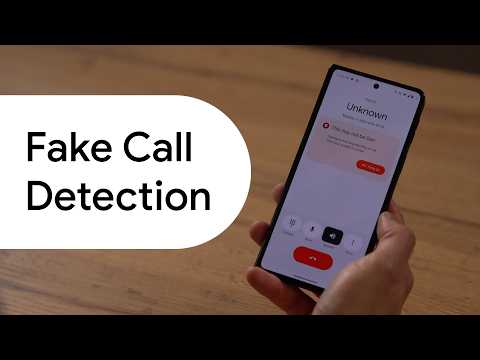
Google is drawing attention to Android protections designed to help users identify AI voice cloning and fraudulent calls. Modern impersonation scams can reproduce the voice of a family member, executive, bank employee, or public official from a small audio sample, then combine urgency and personal information to pressure the recipient into acting before verifying the story.
Android's security direction uses call and scam-detection signals to warn users about suspicious behavior. A warning can interrupt the emotional momentum of a scam, but it cannot guarantee that an unflagged call is genuine. Detection systems may miss new techniques, and legitimate conversations can sometimes resemble risky patterns. Users still need a verification routine that works independently of the incoming call.
If a caller demands money, gift cards, cryptocurrency, account credentials, a one-time code, or immediate secrecy, end the call. Contact the person or organization through a number already saved or published on its official website. Families can establish a private verification phrase, but it should never be posted publicly or reused as an account password. Businesses should require a second channel and multiple approvals for unusual payment changes.
Keep Android, the Phone app, Google Play system components, and carrier services updated. Enable spam protection where available, review app permissions, and prevent unknown apps from using accessibility or notification access without a clear need. Call detection availability and processing vary by device, language, country, carrier, and software release. Local recording and consent rules may also apply.
Android's official video explains the threat and the platform's response. The larger lesson is that AI changes how convincing a scam can sound, not the safest response. No voice—even a familiar one—should override independent verification when a call asks for money, credentials, remote access, or an urgent exception to normal procedure.
Source: www.youtube.com
Conversation
0 commentsNo comments yet. Start a useful conversation.